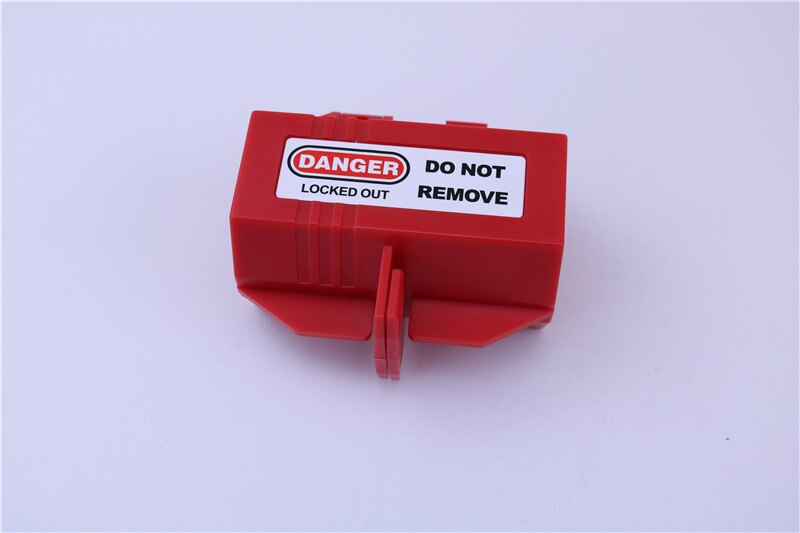
Every year, hundreds of workers suffer serious injuries—or worse—from accidental machine startup during maintenance. The most preventable? Electrical incidents. A single misstep, a forgotten lock, or a bypassed procedure can trigger catastrophic results. That’s where the electrical lockout tagout box enters as a critical line of defense. It’s not just a container; it’s a system anchor designed to enforce control over hazardous energy sources.
This article breaks down what an electrical lockout tagout box is, why it's non-negotiable in regulated environments, how to choose the right one, and where real-world implementation often falls short.
What Is an Electrical Lockout Tagout Box?
An electrical lockout tagout box—often called a group lockout station or LOTO control box—is a centralized, secure enclosure used during maintenance to store keys, locks, and tags associated with lockout procedures. It ensures that equipment cannot be re-energized until all authorized personnel have removed their personal locks.
Unlike a simple lockbox, this device integrates with an organization's Lockout/Tagout (LOTO) program to manage multi-person lockout scenarios. For instance, in a manufacturing line with 12 technicians servicing different subsystems, each applies their padlock. The box holds the main disconnect switch key only when all locks are engaged. No one can restart the system until every worker removes their lock—creating a fail-safe chain of accountability.
Why It's Not Just a "Box"
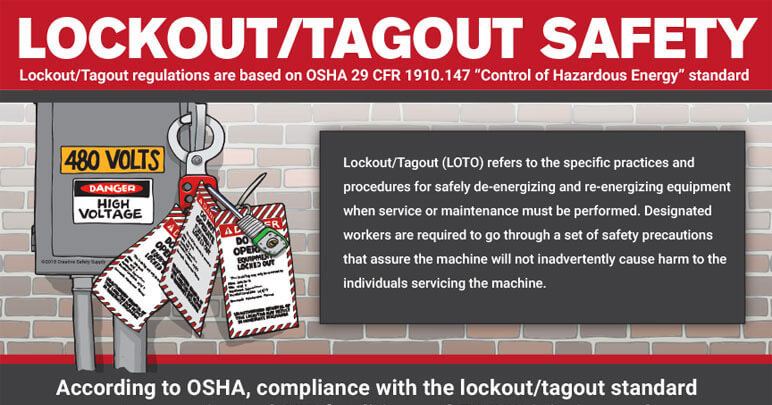
Calling it a “box” undersells its function. It’s a procedural enforcement tool. Think of it as the physical manifestation of a safety protocol—a hard stop between impulse and action. In environments governed by OSHA 1910.147, compliance isn’t optional. The lockout tagout box isn't a convenience; it's evidence of due diligence.
How an Electrical Lockout Tagout Box Prevents Accidents
Accidents happen not because people ignore risks, but because procedures break down under pressure. Consider a scenario at a regional water treatment plant: - A motor control center needs servicing. - Four electricians begin work, each locking out their circuit. - One finishes early, removes his lock, and restarts a subsystem to “test something quickly.” - Another technician, unaware, reaches into live equipment.
This isn’t hypothetical. Such incidents are documented in OSHA case files. The lockout tagout box prevents this by making restart impossible until all locks are removed.
The Workflow in Practice
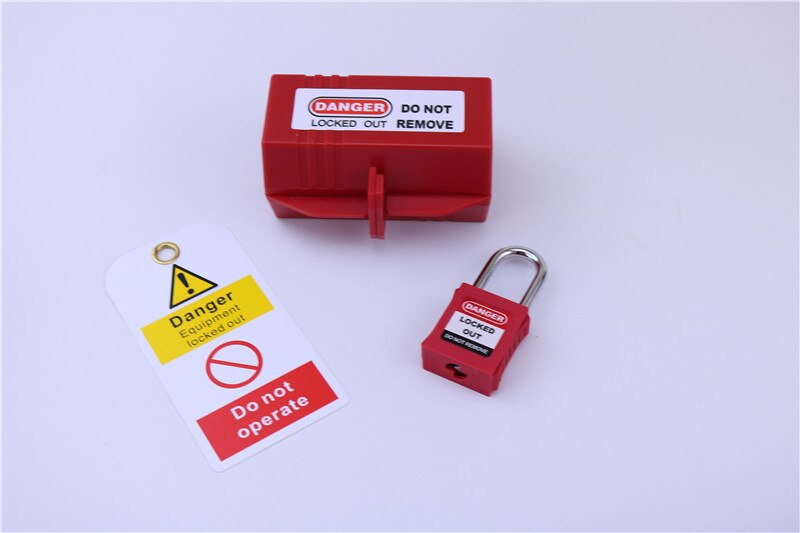
- Pre-shutdown briefing – All personnel gather at the LOTO box.
- Isolation – The machine’s energy source is disconnected.
- Personal Lock Application – Each worker applies their unique lock and tag.
- Key Deposit – Keys to re-energize are placed inside the box.
- Work Execution – Maintenance begins only after verification.
- Clearance Check – Supervisors confirm all work is complete.
- Lock Removal – Each worker removes only their lock.
- Restart Authorization – Once all locks are off, the box releases the key.
This sequence turns individual responsibility into collective safety. The box doesn’t just store hardware—it enforces discipline.
Common Mistakes That Undermine LOTO Box Effectiveness
Even with a top-tier lockout tagout box, failure often comes from poor execution. Below are frequent missteps:
1. Using Shared or Master Locks
When teams use communal locks instead of personal ones, accountability vanishes. OSHA mandates that each worker use a lock they control—no exceptions.
2. Skipping the Tag Tags explain why equipment is locked and who is responsible. A lock without a tag is ambiguous. In high-turnover environments, this confusion can be deadly.
3. Poor Box Placement Mounting the box 30 feet from the equipment encourages shortcuts. It must be within sight and immediate reach of the energy isolation point.
4. Ignoring Environmental Factors Outdoor or high-moisture areas demand weather-resistant enclosures. A rusted box with stuck locks defeats the entire system.
5. Inadequate Training Workers who don’t understand the procedure may bypass it under time pressure. Annual refresher training isn't a formality—it's a safeguard.
Key Features to Look for in a Quality Electrical Lockout Tagout Box
Not all LOTO boxes are built the same. Choosing the right one means evaluating functionality, durability, and compliance alignment.
| Feature | Why It Matters |
|---|---|
| Locking Hasps (Dual or Multi) | Allows multiple workers to apply locks simultaneously |
| Transparent Cover | Enables visual confirmation of key status |
| Weather-Resistant Material (e.g., polycarbonate) | Essential for outdoor or harsh environments |
| Mounting Options (Wall, Panel, Portable) | Flexibility based on workspace layout |
| Internal Organization | Compartments for tags, keys, and devices prevent chaos |
| Compliance with OSHA & ANSI Standards | Legal and audit readiness |
Durability is especially critical. A box made of thin ABS plastic may crack under impact. Opt for UV-stabilized polycarbonate or stainless steel in industrial settings.
Top 5 Electrical Lockout Tagout Boxes in 2024
Below are five widely trusted models, selected for reliability, compliance, and user feedback across manufacturing, utilities, and facilities management.
1. Brady B-LOTOBOX-5
- Best for: Small to mid-sized teams
- Capacity: 5 locks
- Material: Heavy-duty polycarbonate
- Pros: Clear cover, built-in tag holder, UV resistant
- Limitation: Not ideal for outdoor mounting without shelter
2. Grainger 4Z808
- Best for: Heavy industrial use
- Capacity: 6 locks
- Material: Steel with powder coating
- Pros: Robust, padlock-compatible hasp, OSHA-compliant
- Limitation: Bulky; requires secure wall anchoring
3. Master Lock 1840DRED
- Best for: Cost-effective deployment
- Capacity: 4 locks
- Material: Durable red plastic
- Pros: Affordable, widely available, simple design
- Limitation: No internal organization; basic functionality
4. Seton 95516-1

- Best for: Multi-location facilities
- Capacity: 8 locks
- Material: Polycarbonate with stainless steel hasp
- Pros: High capacity, weatherproof, ANSI-compliant labels
- Limitation: Higher price point
5. Honeywell SFC530-8
- Best for: Precision environments (labs, pharma)
- Capacity: 8 locks
- Material: Corrosion-resistant polymer
- Pros: Cleanroom-compatible, tamper-evident seal
- Limitation: Overkill for basic industrial use
Choose based on team size, environment, and integration with existing safety systems.
Integrating the LOTO Box Into Your Safety Program
A lockout tagout box alone won’t guarantee safety. It must be woven into a formal energy control program. Here’s how:
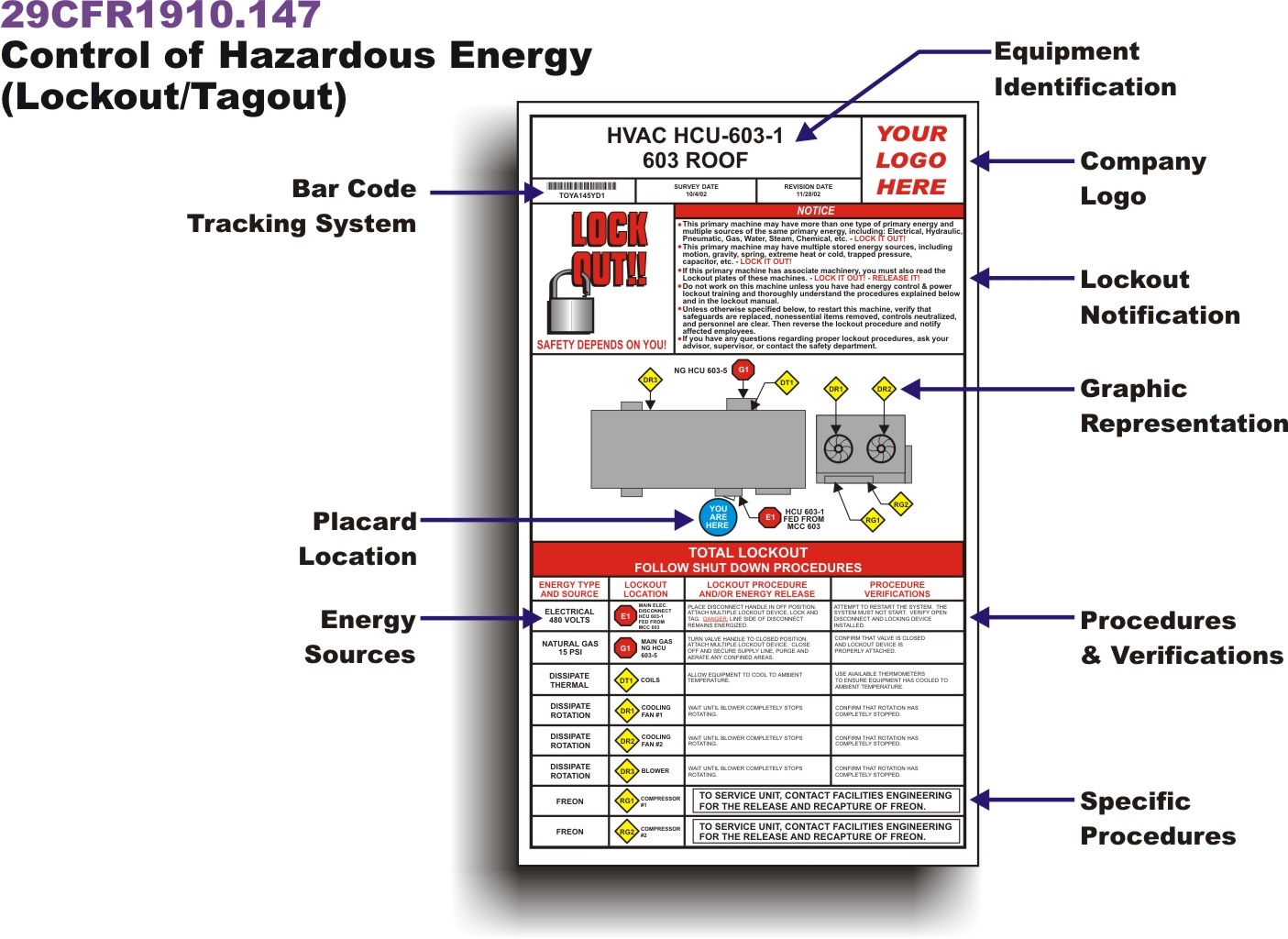
1. Develop Written Procedures Each machine or system should have a documented LOTO procedure detailing shutdown steps, isolation points, and lock application sequence.
2. Train Authorized and Affected Employees
- Authorized employees perform the lockout.
- Affected employees operate or use the equipment.
- Both need training, but only authorized staff apply locks.
3. Conduct Annual Audits OSHA requires yearly inspections to verify procedures are followed correctly. Use checklists and observe real lockout events.
4. Standardize Components Use consistent padlock colors, tag formats, and box designs across facilities. Uniformity reduces confusion during emergencies.
5. Link to Permit Systems In complex operations, integrate the LOTO box with work permit software. Digital logs can timestamp lock application and removal.
Real-World Use Cases: Where the Box Saves Lives
Case 1: Automotive Assembly Line During robotic arm maintenance, six technicians lock out power supplies. The LOTO box holds the master enable key. Supervisor verifies all locks are in place before granting access. After reassembly, each worker removes their lock only after confirming their zone is clear. System restart is blocked until the final lock comes off.
Case 2: Power Substation Maintenance A utility crew isolates a transformer. Each electrician applies a lock to the LOTO box, which contains the switchgear key. Even if one worker is delayed, the system stays de-energized. This prevents accidental closure of a live circuit.
Case 3: Food Processing Plant Conveyor systems with multiple drive points require coordinated shutdown. With a central LOTO box, all six maintenance staff confirm isolation before cleaning begins. No one can restart a segment without full clearance.
Final Thoughts: Make Safety Non-Negotiable
An electrical lockout tagout box is more than a regulatory checkbox—it’s a cultural statement. It tells your team that safety isn’t negotiable, even under production pressure. When installed correctly, supported by training, and integrated into daily workflow, it becomes a silent guardian against preventable tragedies.
Don’t wait for an incident to justify investment. Choose a durable, appropriately sized box. Train your people. Audit regularly. And ensure every lock tells a story of accountability.
Equip your workspace not just with tools, but with systems that protect those who use them.
Frequently Asked Questions
What is the purpose of an electrical lockout tagout box? It secures keys and locks during maintenance to prevent accidental re-energizing of equipment until all workers have completed their tasks and removed their personal locks.
Can one person use a LOTO box? Yes, though it’s primarily designed for group lockouts. Single-person use still benefits from structured procedures and verification.
Do LOTO boxes need to be locked themselves? Not always—the box secures the key, not the other way around. However, in high-theft or high-risk zones, secondary locking may be used.
Are digital LOTO boxes available? Yes, some systems use electronic key management with access logs and biometrics, but mechanical boxes remain the standard for OSHA compliance.
Can a LOTO box be used for non-electrical energy? Absolutely. It applies to hydraulic, pneumatic, mechanical, and chemical systems—any hazardous energy source requiring controlled shutdown.
How often should LOTO boxes be inspected? Alongside annual LOTO program audits, inspect boxes quarterly for damage, corrosion, or missing components.
Who can remove a lock from the LOTO box? Only the authorized employee who applied it—unless a formal "lost key" procedure is followed under strict supervision.
FAQ
What should you look for in Electrical Lockout Tagout Box: Your Safety Shield in High-Risk Work? Focus on relevance, practical value, and how well the solution matches real user intent.
Is Electrical Lockout Tagout Box: Your Safety Shield in High-Risk Work suitable for beginners? That depends on the workflow, but a clear step-by-step approach usually makes it easier to start.
How do you compare options around Electrical Lockout Tagout Box: Your Safety Shield in High-Risk Work? Compare features, trust signals, limitations, pricing, and ease of implementation.
What mistakes should you avoid? Avoid generic choices, weak validation, and decisions based only on marketing claims.
What is the next best step? Shortlist the most relevant options, validate them quickly, and refine from real-world results.