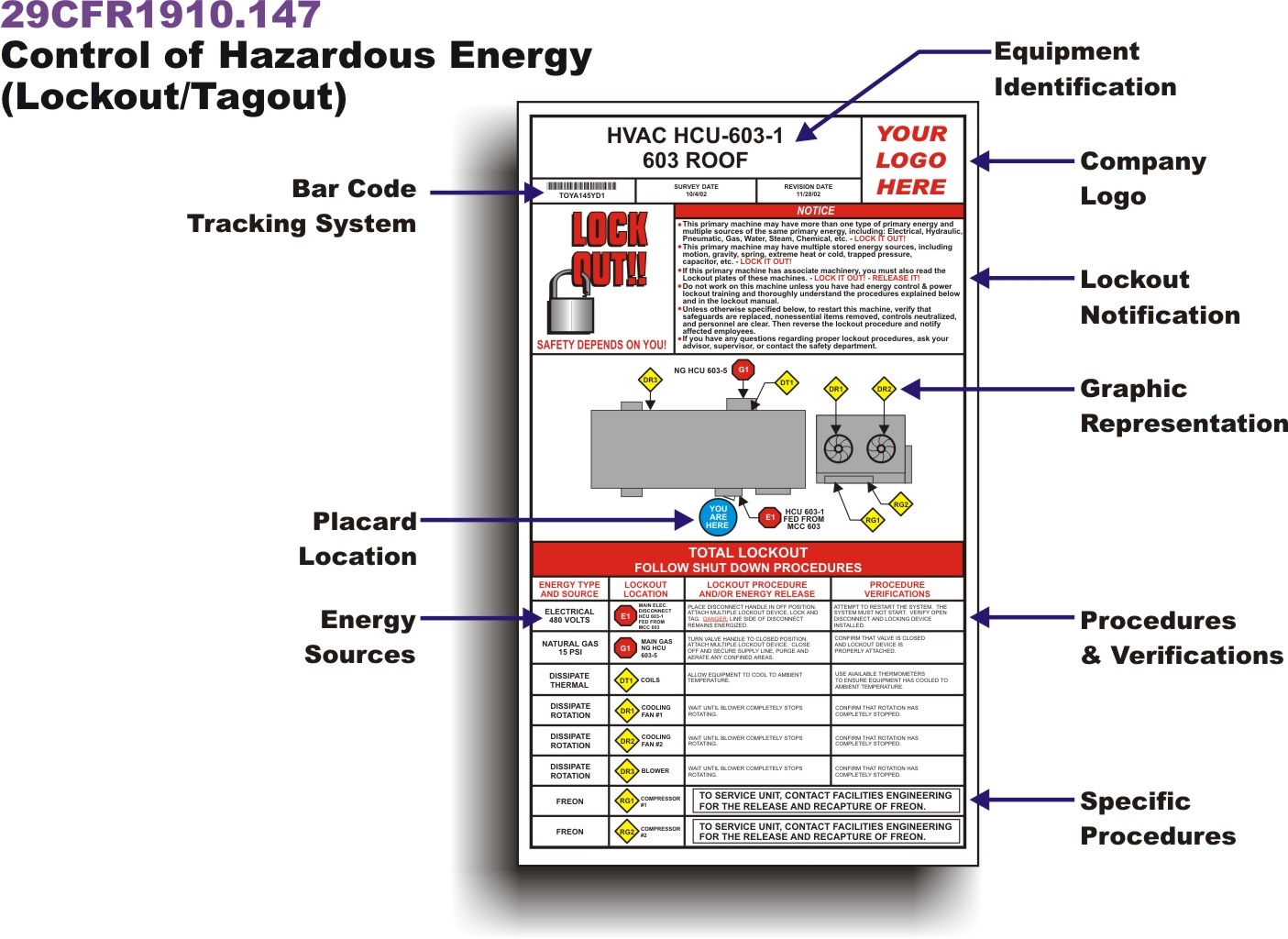
A machine shuts down for maintenance. A technician reaches into a conveyor system. But somewhere, a switch flips—unintentionally energizing the system. The result? Severe injury or worse. This isn’t hypothetical. According to OSHA, failure to control hazardous energy accounts for nearly 10% of serious accidents in manufacturing. At the heart of preventing these incidents: lockout tagout locks and tags.
These aren't just accessories. They are engineered safety controls designed to isolate energy sources—electrical, hydraulic, pneumatic, mechanical, chemical—and visibly communicate that equipment is unsafe to operate. When used correctly, they form a systematic barrier between danger and human life.
Let’s break down exactly how LOTO locks and tags work, why they matter, and how to deploy them effectively in real-world environments.
What Are Lockout Tagout Locks and Tags?
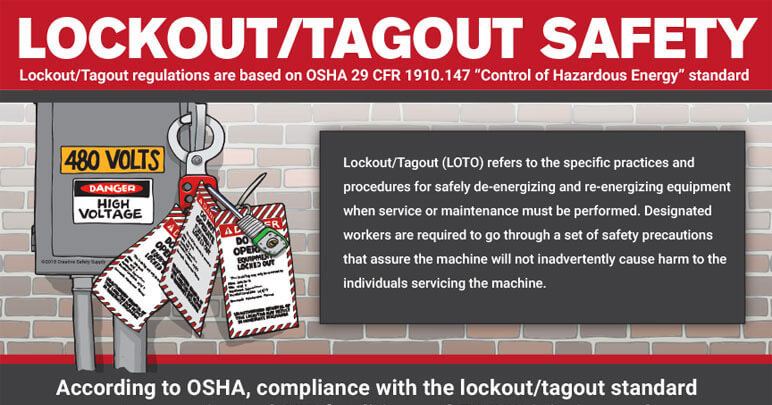
Lockout tagout (LOTO) is a safety procedure used to ensure that dangerous machines and energy sources are properly shut off and cannot be restarted before maintenance or servicing is complete. At the core of this system are two key components:
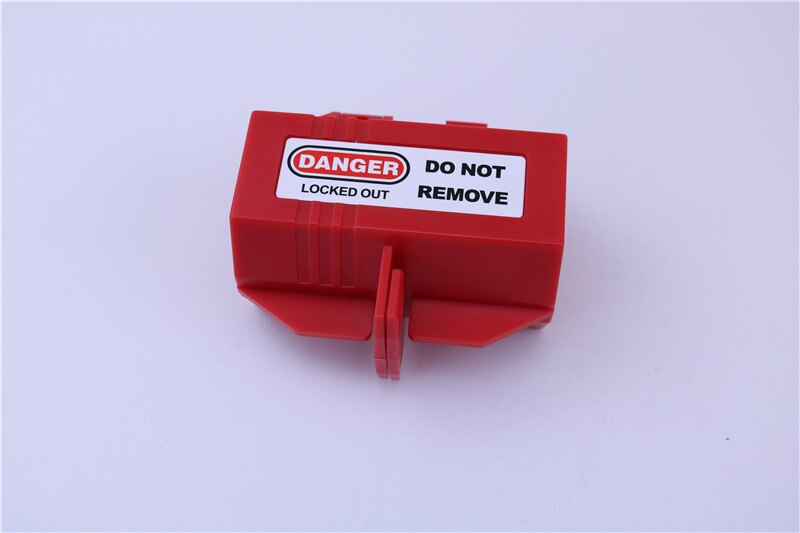
- Locks – Physical devices that secure energy-isolating mechanisms (like circuit breakers or valve handles) in a safe position.
- Tags – Warning labels attached to the lock or energy source, indicating who applied the lock, when, and why.
Locks prevent accidental or unauthorized re-energization. Tags provide critical communication. Together, they create a layered safety protocol.
- For example, an electrician working on a 480V motor disconnect will:
- Shut off the main power switch.
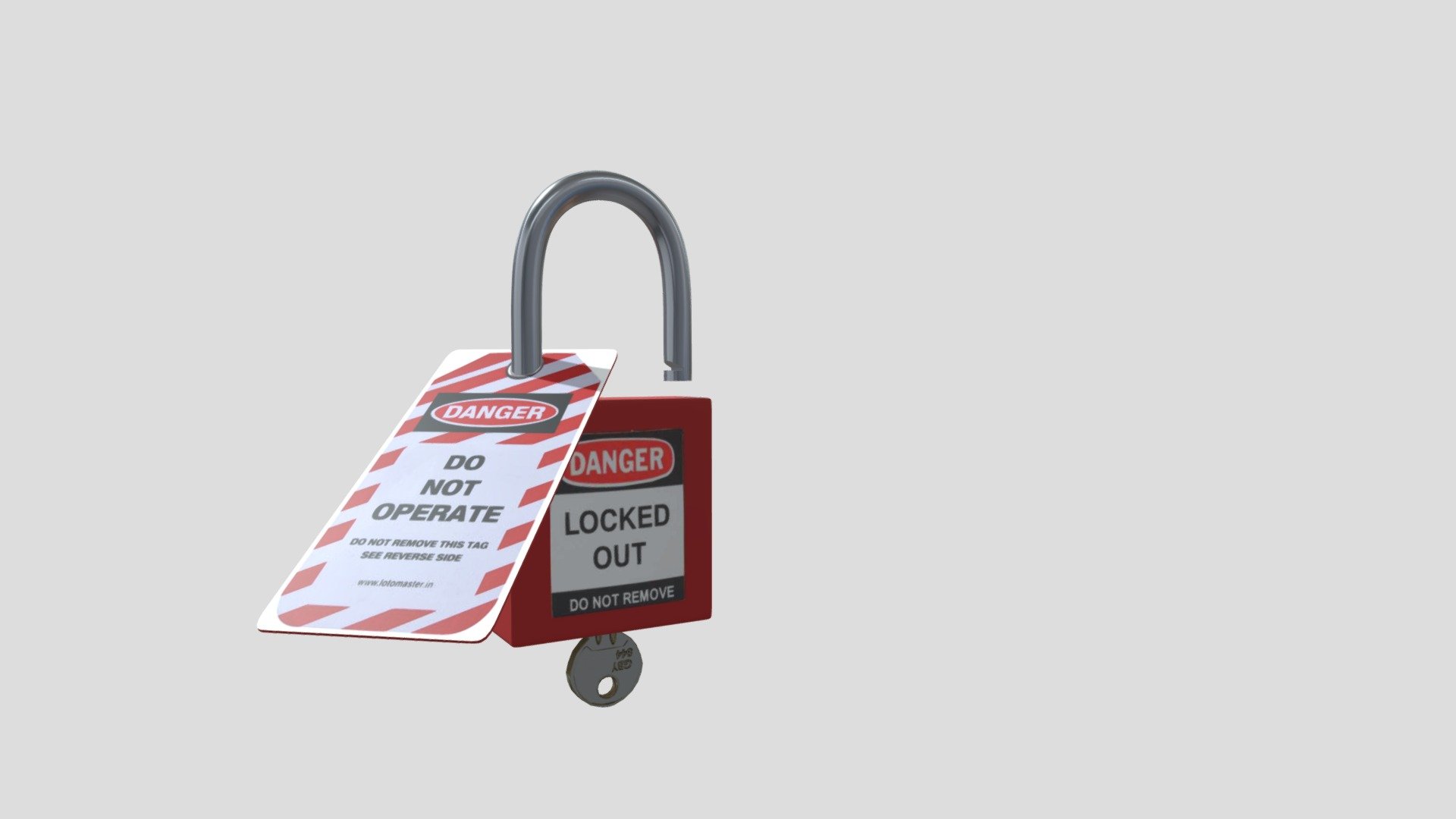
- Apply a personal padlock to the disconnect handle.
- Attach a tag stating: "Do Not Operate – Maintenance in Progress – John D., Electrician, 08:15 AM."
This simple sequence can mean the difference between a routine repair and a life-altering incident.
Why Locks and Tags Aren't Interchangeable
A common misconception is that tags alone are sufficient. They’re not.
Tags warn. Locks protect.
OSHA allows tagout-only procedures in limited cases, but only if the tag provides equivalent protection to a lock—something rare in practice. Tags can be ignored, removed, or overlooked. A lock, however, is a physical barrier. It requires intentional action to remove, typically only by the authorized employee who applied it.
Consider a scenario in a chemical plant: a valve is tagged but not locked. During shift change, a new operator sees the valve is closed, assumes it’s operational status, and opens it—releasing pressurized gas into a section where a technician is inspecting piping. A lock would have prevented manual operation altogether.
The takeaway: Always use locks where feasible. Tags are supplemental—but never a standalone solution.
Types of LOTO Locks: Matching the Risk
Not all locks serve the same purpose. Choosing the wrong type compromises safety. Here are the most common LOTO lock types and their applications:
1. Padlocks (Standard and Safety-Specific)
- Constructed from non-conductive materials (nylon, brass) to prevent electrical conductivity.
- Often color-coded by department or function (e.g., red for electrical, blue for mechanical).
- Keyed alike, keyed different, or personal keyed options available.
Use case: Locking circuit breakers, disconnect switches, or valve lockout devices.
2. Valve Lockouts
- Designed to fit over valve handles (gate, ball, lever) and prevent rotation.
- Often paired with universal or custom-shaped brackets.
Use case: Isolating steam, water, or chemical lines before plumbing repairs.
3. Circuit Breaker Locks
- Snap over breaker toggles, preventing them from being flipped.
- Available for single, double, and multi-pole breakers.
Use case: Preventing accidental re-energizing of electrical panels during troubleshooting.
4. Plug and Receptacle Locks
- Cover electrical plugs or outlets, making them impossible to connect.
- Used with extension cords or portable equipment.

Use case: Securing a floor buffer during motor maintenance.
5. Group Lockout Hasps
- Allow multiple workers to apply personal locks to a single energy source.
- Ensures no one can restart equipment until every individual removes their lock.
Use case: Complex maintenance involving electricians, mechanics, and hydraulics technicians.
Each lock must be durable, standardized, and identifiable. OSHA requires that LOTO locks be: - Exclusive – Used only for safety, not for other purposes. - Identifiable – Clearly labeled with the owner’s name or ID. - Non-releasable under tension – Cannot be removed without a key or tool.
A tag is only as good as the information it conveys. A poorly designed tag leads to confusion, delays, and risks.
Essential tag components: - Employee name and contact - Date and time applied - Reason for lockout (e.g., "Motor bearing replacement") - Equipment ID or location - Warning statement ("Danger – Do Not Operate")
Tags should be made from durable, weather-resistant materials—especially in outdoor or high-moisture environments. Laminated polyester or vinyl tags withstand harsh conditions better than paper.
Common tag mistakes: - Handwritten tags that are illegible. - Blank or generic tags ("Under Maintenance"). - Tags without removal authorization details. - Tags left on after work is complete—creating "tag fatigue" where warnings are ignored.
A well-designed tag turns a passive warning into an active safety checkpoint.
Real-World LOTO Failures and Lessons Learned
Even with protocols in place, LOTO failures happen—often due to human error or systemic gaps.
Case 1: Shortcut Culture In a Midwestern packaging facility, a technician bypassed lockout to "quickly adjust" a jammed conveyor. A coworker, unaware of the work, hit the start button. The technician lost two fingers. Investigation revealed no lock was used—only a tag, which was disregarded.
Lesson: Never skip locks—even for "fast fixes." Time saved isn’t worth the risk.
Case 2: Group Lockout Miscommunication During a boiler overhaul, three technicians applied locks. One finished early and removed his lock and the group hasp, assuming others were done. The boiler was re-pressurized, injuring a worker still inside.
Lesson: Group lockout requires strict coordination. The hasp stays until all individual locks are removed.
Case 3: Inadequate Training A new hire in a food processing plant followed verbal instructions to "turn off the machine." He didn’t know how to locate the main disconnect or apply a lock. The machine cycled unexpectedly, causing a minor injury.
Lesson: Training must be hands-on and role-specific. Knowledge isn’t transferable by assumption.
These cases underscore that LOTO isn’t just about hardware—it’s about culture, communication, and consistency.
Building a Reliable LOTO Program: Key Steps
A successful LOTO program goes beyond buying locks and tags. It requires structure, accountability, and continuous review.
Step 1: Conduct an Energy Control Audit Identify every machine and energy source requiring lockout. Document: - Type of energy (electrical, hydraulic, etc.) - Isolation points (breakers, valves, disconnects) - Lockout method (padlock, valve lock, etc.)
Step 2: Develop Machine-Specific Procedures Create step-by-step instructions for each machine. Example:
- Shut off the main power switch.
- Engage the emergency stop.
- Apply personal lock to the circuit breaker.
- Release stored energy (bleed air lines, drain capacitors).
- Verify zero energy state with a tester.
- Attach tag with name, time, and reason.
Step 3: Train All Affected Employees
- Authorized employees (who perform maintenance) must know how to implement LOTO.
- Affected employees (who operate equipment) must understand the purpose and never remove locks.
Training should be annual and include live demonstrations.
Step 4: Audit and Enforce Perform periodic inspections—ideally quarterly—where a supervisor observes a full LOTO cycle. Document findings and correct gaps immediately.
Step 5: Maintain Equipment Replace worn locks, faded tags, or damaged lockout devices. Keep spare locks and tags on hand in secure locations.
Top 5 LOTO Lock and Tag Kits for Industrial Use
Choosing the right kit ensures readiness and compliance. Here are five widely used, OSHA-aligned options:
| Brand | Key Features | Best For |
|---|---|---|
| Grace Industries LOTO-100 | 10-piece kit: 5 padlocks, hasp, tags, breaker lock, valve lock | Small teams, electrical maintenance |
| Seton Safety 69890K | 28-piece kit with storage case, multiple lock types, bilingual tags | Multilingual workplaces, complex systems |
| Jonard Tools LOKIT-6 | Compact 6-piece kit: insulated locks, tags, breaker lock | Field technicians, mobile repairs |
| Safeguard LOTO-PRO | 40-piece premium kit with group hasps, plug locks, durable bag | Large facilities, multi-department use |
| Master Lock 1496DRET | Weather-resistant valve lockout with universal fit | Outdoor, chemical, and utility operations |
When selecting a kit, prioritize durability, compatibility with your equipment, and ease of access during emergencies.
The Human Factor: Making LOTO Stick
The best locks and tags fail if people don’t use them—or worse, work around them.
Common barriers: - "It slows me down." - "I’m just resetting it—no need to lock out." - "The last guy didn’t use one, so why should I?"
These attitudes erode safety culture. To counter them: - Lead by example: Supervisors must use LOTO every time. - Simplify access: Store kits near high-risk machines. - Recognize compliance: Celebrate safe behavior, not just productivity. - Empower stop-work authority: Anyone should feel safe halting a job if LOTO isn’t followed.
Safety isn’t a checklist. It’s a mindset.
Final Word: Lock It, Tag It, Live It
Lockout tagout locks and tags are more than compliance tools—they are frontline defenses in high-risk environments. A padlock isn’t just metal and plastic. It’s a promise: This machine is not safe. Not now. Not until I say so.
From the design of the lock to the clarity of the tag, every detail matters. So do the procedures, training, and culture that support them.
If you walk away with one thing: Never assume. Never skip. Never rush. Lock it, tag it, verify it—every time, every lock, every worker.
Your safety, and theirs, depends on it.
Frequently Asked Questions
What’s the difference between lockout and tagout? Lockout uses physical locks to isolate energy sources. Tagout uses warning tags. Lockout provides physical protection; tagout only warns. OSHA requires lockout where feasible.
Can anyone remove a LOTO lock? No. Only the authorized employee who applied the lock can remove it. In rare cases, a supervisor may remove it following a documented, controlled procedure.
Are LOTO locks required to be color-coded? OSHA doesn’t mandate color-coding, but it’s a best practice. Red is commonly used for danger, and colors can indicate departments or lock types.
Do LOTO tags need to include a phone number? They should include contact information—name and, ideally, phone number or extension—so others can verify why the lock is in place.
Can electronic tags replace physical tags? Not under current OSHA standards. Tags must be affixed directly to the lock or energy source. Digital systems can supplement but not replace physical tags.
What happens if a lock is left on after work is done? It should not be removed by others. The responsible employee must remove it. If unavailable, a formal removal procedure—documented and authorized—must be followed.
Are temporary locks allowed during maintenance breaks? No. If energy control is removed during a break, the full LOTO procedure must be repeated before resuming work.
FAQ
What should you look for in Lockout Tagout Locks and Tags: Safety Essentials Explained? Focus on relevance, practical value, and how well the solution matches real user intent.
Is Lockout Tagout Locks and Tags: Safety Essentials Explained suitable for beginners? That depends on the workflow, but a clear step-by-step approach usually makes it easier to start.
How do you compare options around Lockout Tagout Locks and Tags: Safety Essentials Explained? Compare features, trust signals, limitations, pricing, and ease of implementation.
What mistakes should you avoid? Avoid generic choices, weak validation, and decisions based only on marketing claims.
What is the next best step? Shortlist the most relevant options, validate them quickly, and refine from real-world results.