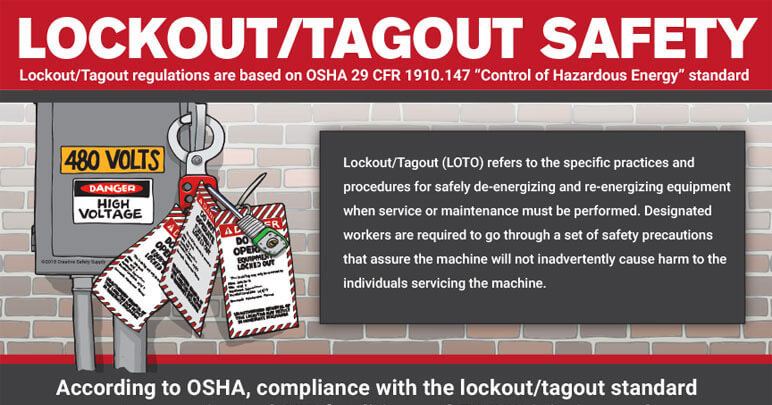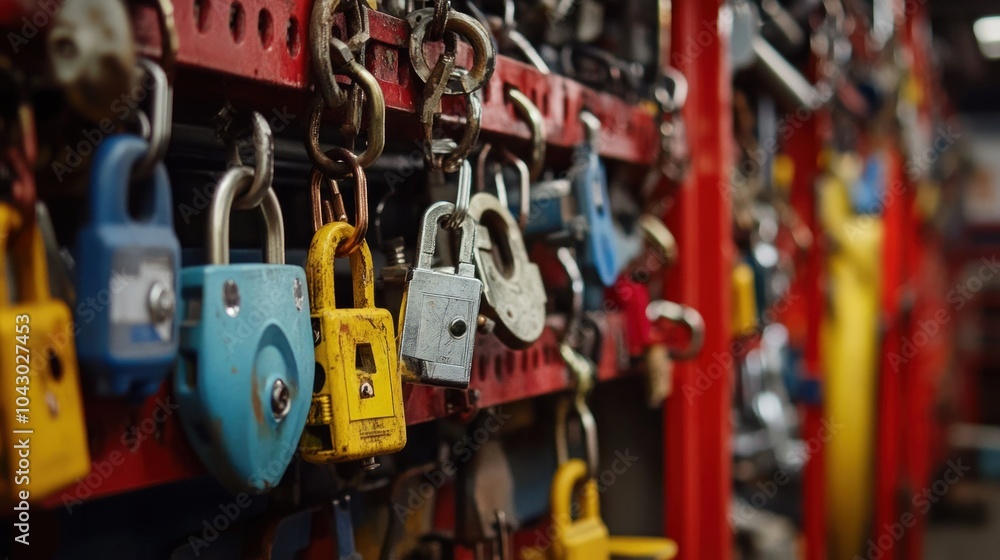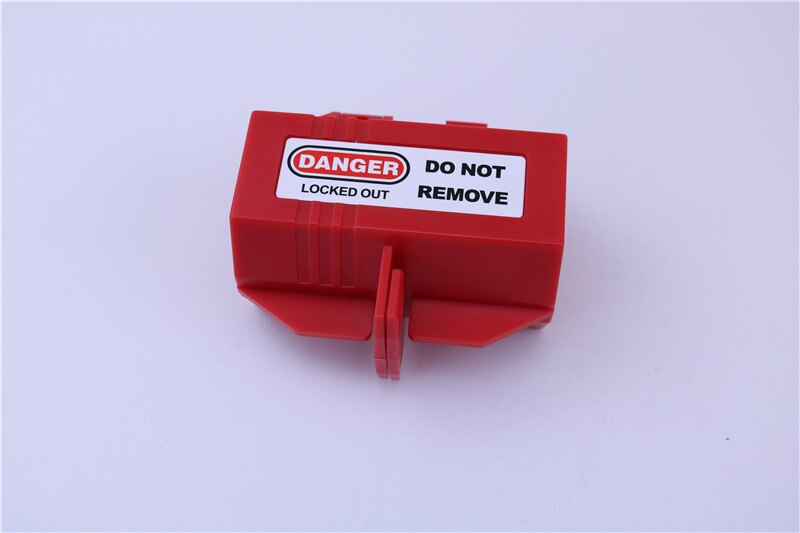
Equipment maintenance isn’t just about fixing machines—it’s about protecting people. One overlooked but critical tool in this effort is the lockout tagout key box. It’s not a standalone solution, but a precise mechanism that bridges access control and energy isolation. When executed poorly, maintenance procedures risk serious injury. When done right—with the right tools—workflows stay efficient and teams stay safe. The lockout tagout key box sits at that intersection: controlling who gets access to what, when, and under what conditions.
This isn’t just about storing keys. It’s about enforcing discipline in environments where a single misstep can lead to electrocution, amputation, or worse. Understanding how these devices function—and how to use them effectively—is essential for safety managers, maintenance supervisors, and compliance officers in manufacturing, utilities, and industrial facilities.
What Is a Lockout Tagout Key Box?
A lockout tagout key box is a secure container designed to hold keys that control access to energy isolation points—such as circuit breakers, valve handles, or disconnect switches. It’s used within a broader Lockout/Tagout (LOTO) program to ensure that only authorized personnel can retrieve keys needed to re-energize equipment after maintenance.
Here’s how it works:
- During maintenance, each worker applies their personal lock to the main lockout point (e.g., a disconnect switch).
- The key to that lock is placed inside the key box.
- The box itself is locked using a master lock or multiple worker locks in sequence.
- Only when all work is complete and all workers have removed their locks can the key box be opened.
- The stored keys are then used to restore energy safely.
This process ensures group lockout safety, where no single person can restart machinery until every team member confirms they’re clear.
Real-World Use Case
Imagine a conveyor system requiring servicing by three technicians. Each technician locks out a control panel with their personal padlock. The key to each lock goes into the key box, which is then secured with a group lock. Only when all three technicians have finished and removed their locks can the box be opened, and the original keys retrieved to restore power. No shortcuts. No exceptions.
Why a Key Box Is Non-Negotiable in LOTO Programs
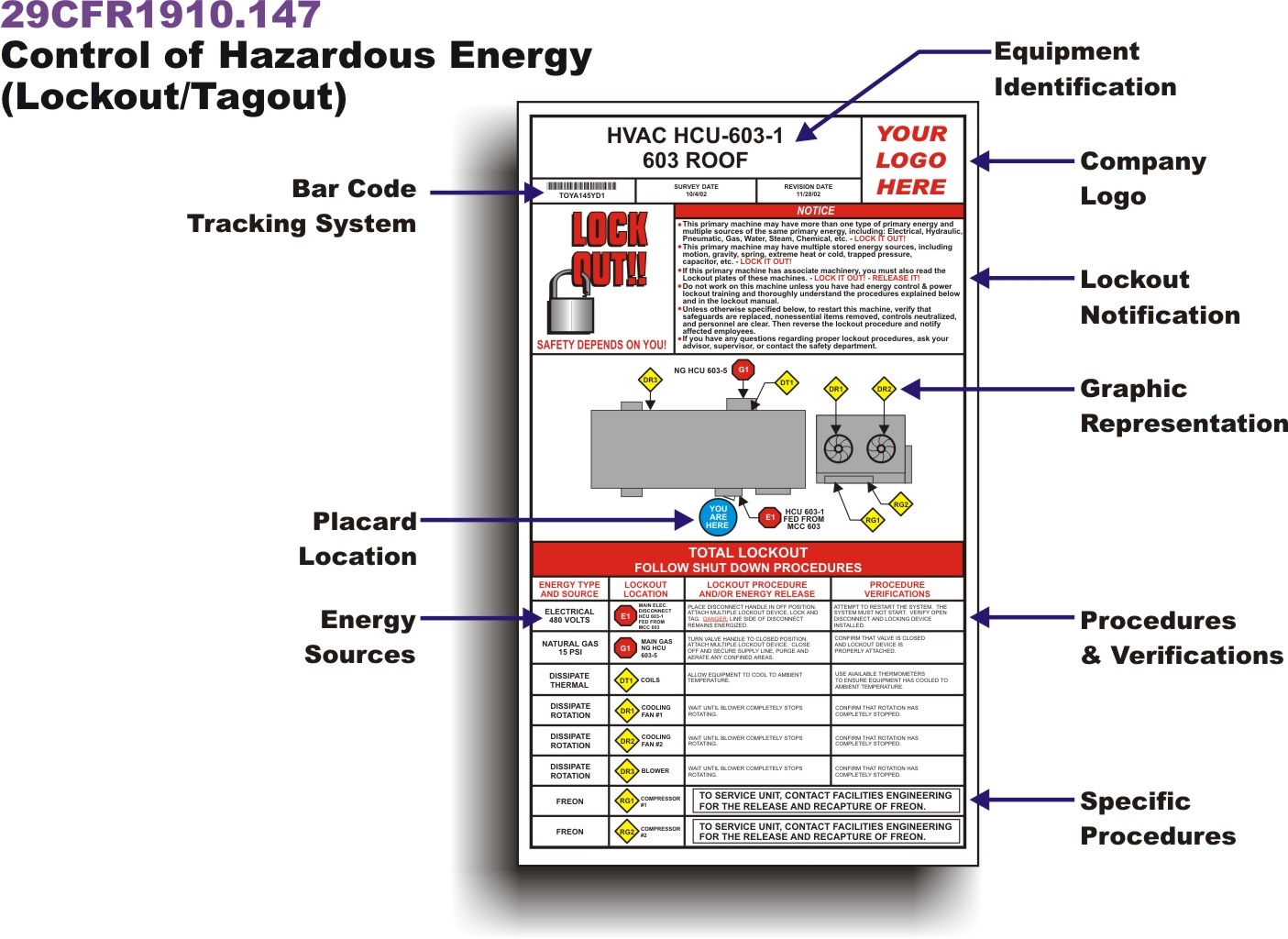
OSHA standard 29 CFR 1910.147 mandates control of hazardous energy. A lockout tagout key box isn’t explicitly required—but it’s one of the most effective tools for ensuring compliance, especially during multi-person or shift-based maintenance.
Without a key box: - Workers may bypass procedures under time pressure. - Keys can be lost, mislaid, or left unattended. - Unauthorized personnel might re-energize equipment prematurely.
With a key box: - Accountability is visible and enforced. - Key access is centralized and controlled. - The lockout sequence becomes a physical, tamper-resistant process.
The key box transforms abstract safety rules into a tactile, enforceable routine. It’s not about adding complexity—it’s about making compliance unavoidable.
How Lockout Key Boxes Integrate Into Energy Control Procedures
A key box doesn’t operate in isolation. It’s part of a structured energy control process:

- Preparation: Identify energy sources and required isolation points.
- Shutdown: Notify affected employees and shut down equipment.
- Isolation: Disconnect energy sources (electrical, hydraulic, pneumatic, etc.).
- Lockout Application: Each worker applies their lock to the isolation point.
- Key Storage: The key to each lock is placed inside the key box.
- Box Locking: The key box is locked using a group mechanism.
- Verification: Confirm zero energy state before work begins.
- Restoration: After work, each worker removes their lock.
- Key Retrieval: Once all locks are off, the box opens and keys are retrieved.
- Re-energization: Authorized personnel restore power.
This workflow prevents single-point failure in safety—because no one person controls the restart process.
Common Mistakes That Undermine Key Box Effectiveness
Even with a key box in place, poor execution can compromise safety: - Using shared or master keys instead of individual locks. - Allowing keys to be left outside the box “temporarily.” - Not training temporary or contract workers on the procedure. - Failing to inspect key boxes for damage or tampering. - Skipping the verification step after lockout.
These mistakes turn a robust system into a formality. Training, audits, and clear signage are essential to maintaining integrity.
Types of Lockout Tagout Key Boxes
Not all key boxes are the same. The right choice depends on your team size, environment, and energy control complexity.
1. Padlock-Only Key Boxes
These are the most common. Workers place keys inside and secure the box with their personal padlocks in a “lockout hasp” style. Ideal for small teams or single-shift operations.
Best for: 2–6 workers, indoor environments, simple maintenance tasks.
2. Key-Controlled Key Boxes
A master key opens the box, but access is logged or restricted. Often used when shift changes are involved, and the night crew must access keys secured by the day crew.
Best for: Multi-shift operations, facilities with limited LOTO personnel.
3. Time-Delay Key Boxes
These incorporate a timer. Once locked, the box won’t open until a preset time—useful for long maintenance cycles or when delays are expected.
Best for: Preventive maintenance with fixed durations, external contractor work.
4. Digital Key Management Systems
High-end electronic systems that track who accessed keys, when, and under what conditions. Some integrate with access control or maintenance software.
Best for: Large facilities, regulated environments (e.g., pharmaceuticals, aerospace), audit-heavy industries.
5. Weather-Resistant Outdoor Key Boxes
Built for harsh environments, these feature stainless steel construction and IP-rated enclosures. Used in oil & gas, water treatment, and outdoor substations.
Best for: Exposure to rain, dust, or extreme temperatures.
Top 5 Lockout Tagout Key Boxes in 2024
Choosing the right key box means balancing durability, capacity, and compliance. Here are five reliable options widely used across industries:
| Product | Capacity | Material | Key Features |
|---|---|---|---|
| Kantorp LOTO Key Box | Up to 12 locks | Steel, powder-coated | Stackable, transparent window, lockable hasp |
| Grace Digital Key Manager | 20+ digital access points | Electronic enclosure | Audit trail, RFID access, remote management |
| Seton Metal Key Box | 6–8 padlocks | Galvanized steel | Weather-resistant, wall-mountable, simple design |
| Justrite Key Control Station | 10 keys + document pouch | Durable polymer | Integrated tagout area, portable, ANSI-compliant |
| Safelok Pro Series | 15 locks | Stainless steel | Outdoor-rated, dual locking points, anti-tamper |
Each serves a different need. A small workshop might thrive with the Seton box, while a plant with 50+ maintenance staff may require the scalability of Grace’s digital system.
Integrating Key Boxes Into Shift Change Protocols
Shift transitions are high-risk moments in LOTO. A technician ending their shift might assume someone else locked out a machine—when in reality, energy isolation is incomplete.
A key box eliminates ambiguity.

Here’s a real-world protocol: - Day-shift technician locks out a press and deposits the key in the box. - The box is secured with their lock. - Night-shift technician arrives, sees the lock in place, and knows the machine is still under maintenance. - Only when the day tech removes their lock (or transfers responsibility via a documented handoff) can the process continue.
This prevents assumption-based restarts—a leading cause of LOTO-related incidents.
Limitations and When Key Boxes Aren’t Enough
While powerful, key boxes have limits: - They don’t replace proper training. - They can’t enforce lockout if workers bypass the system. - Physical boxes can be damaged or stolen. - They require consistent buy-in from all team members.
In high-turnover environments or where language barriers exist, additional safeguards—like visual checklists, multilingual tags, or digital reminders—are necessary.
Also, key boxes don’t address stored energy (e.g., springs, capacitors). Full LOTO procedures must still include bleed-down, blocking, and verification steps.
Practical Tips for Maximizing Key Box Effectiveness
- Standardize placement: Install key boxes near equipment or in central LOTO stations.
- Use color coding: Assign colors to departments or energy types (e.g., red for electrical, blue for hydraulic).
- Conduct monthly audits: Check for missing keys, damaged locks, or procedural gaps.
- Train contractors: Ensure third-party workers follow the same protocol.
- Pair with LOTO kits: Include tags, hasps, and lockout devices in the same area.
- Label clearly: Mark boxes with equipment names, zone numbers, or energy types.
One plant reduced LOTO violations by 68% simply by adding illuminated labels and relocating key boxes closer to isolation points. Small changes can have big impacts.
The Bottom Line: Safety Through Controlled Access
A lockout tagout key box is more than a storage solution—it’s a behavioral anchor. It forces adherence to safety protocols by making compliance a physical necessity, not just a policy suggestion. In environments where energy control means the difference between a routine repair and a life-altering accident, that certainty is invaluable.
Deploying a key box won’t eliminate risk on its own. But when combined with training, clear procedures, and a culture of accountability, it becomes one of the most reliable tools in your safety arsenal.
Equip your team with the right hardware, enforce disciplined workflows, and never treat lockout as a formality. Because when the power comes back on, everyone needs to be clear—literally and physically.
FAQ
What is the purpose of a lockout tagout key box? It securely stores keys to energy isolation points, ensuring only authorized personnel can re-energize equipment after maintenance.
Can multiple people use the same lock on a key box? No. Each worker must use their own personal lock to maintain individual accountability.
Are lockout key boxes required by OSHA? OSHA doesn’t specifically mandate key boxes, but they support compliance with 29 CFR 1910.147 for group lockout scenarios.
How do I choose the right size key box? Match the capacity to your largest typical maintenance team. If five workers service a machine, choose a box that holds at least five locks.
Can key boxes be used outdoors? Yes, but only if they’re rated for weather resistance. Stainless steel or IP65-rated enclosures are recommended for outdoor use.
What happens if a key is lost in a lockout box? Lost keys should trigger an investigation. Never duplicate keys unless part of a controlled master key system.
Do digital key boxes offer better security? They provide better tracking and audit trails, but mechanical boxes are more reliable in environments with power or network instability.
FAQ
What should you look for in Lockout Tagout Key Box: Secure Access for Safety Compliance? Focus on relevance, practical value, and how well the solution matches real user intent.
Is Lockout Tagout Key Box: Secure Access for Safety Compliance suitable for beginners? That depends on the workflow, but a clear step-by-step approach usually makes it easier to start.
How do you compare options around Lockout Tagout Key Box: Secure Access for Safety Compliance? Compare features, trust signals, limitations, pricing, and ease of implementation.
What mistakes should you avoid? Avoid generic choices, weak validation, and decisions based only on marketing claims.
What is the next best step? Shortlist the most relevant options, validate them quickly, and refine from real-world results.