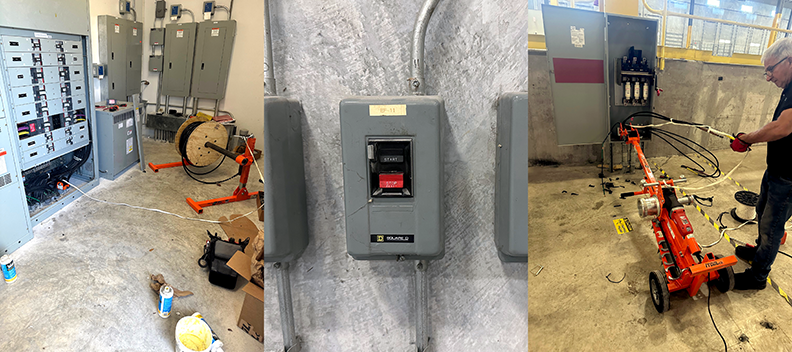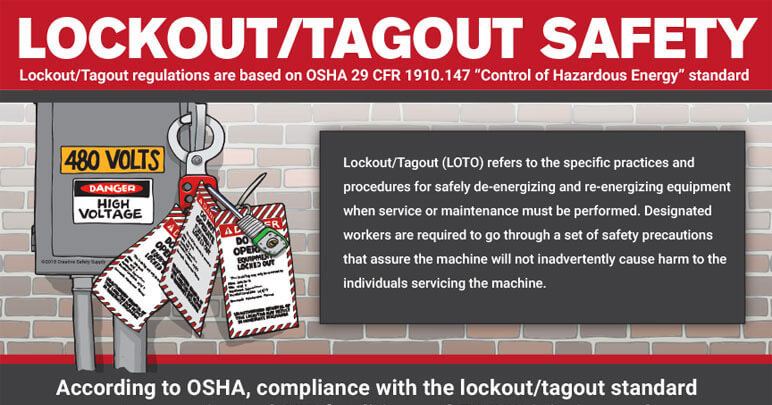
In a noisy warehouse or a busy manufacturing plant, a single missed step during maintenance can lead to catastrophe. That’s where lockout tagout signs come in—not as mere decorations on a machine, but as critical warnings that protect lives. These signs are more than regulatory checkboxes; they’re frontline defenses against accidental energization, unexpected startup, or the release of stored hazardous energy.
Despite widespread OSHA regulations and decades of safety training, miscommunication during lockout procedures remains a leading cause of industrial injuries. A missing sign, a faded label, or a poorly placed tag can mean the difference between a routine repair and a life-altering accident.
This is not hypothetical. In 2022, a maintenance technician in Ohio was severely injured when a conveyor system unexpectedly activated—despite verbal assurances that it was isolated. The investigation found no visible lockout tagout signs, and the energy-isolating device had no physical lock in place. The incident was preventable. The solution starts with proper signage.
What Are Lockout Tagout Signs and Why Are They Required?
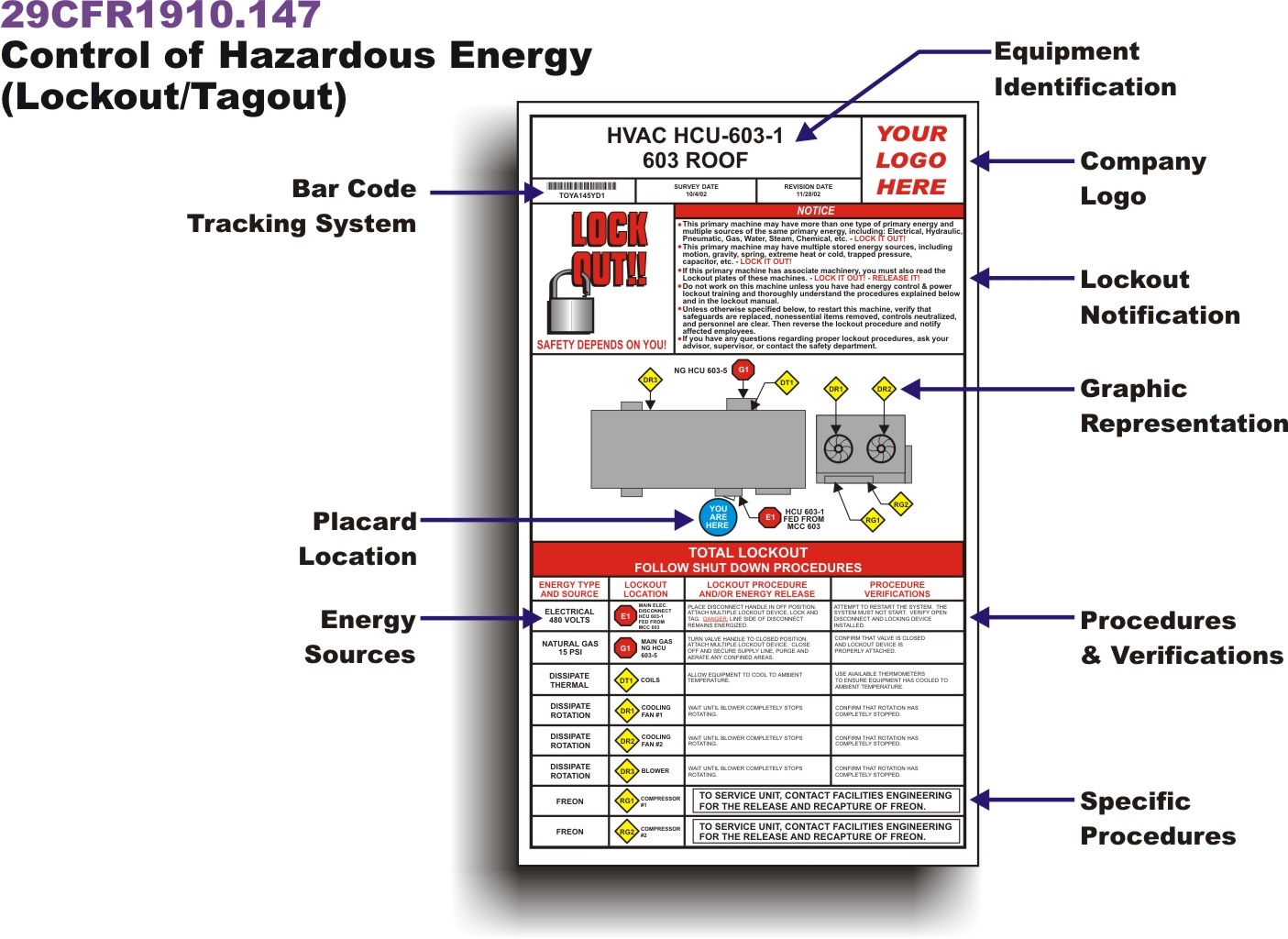
Lockout tagout (LOTO) signs are visual warnings used to communicate that equipment is undergoing maintenance, repair, or servicing and must not be operated. They are part of a broader energy control program required by OSHA under standard 29 CFR 1910.147. While not always legally sufficient on their own, they are essential components of compliance.
- These signs serve two primary functions:
- Notification – Alerting personnel that a machine is de-energized and under control.
- Deterrence – Discouraging unauthorized operation or re-energization of equipment.
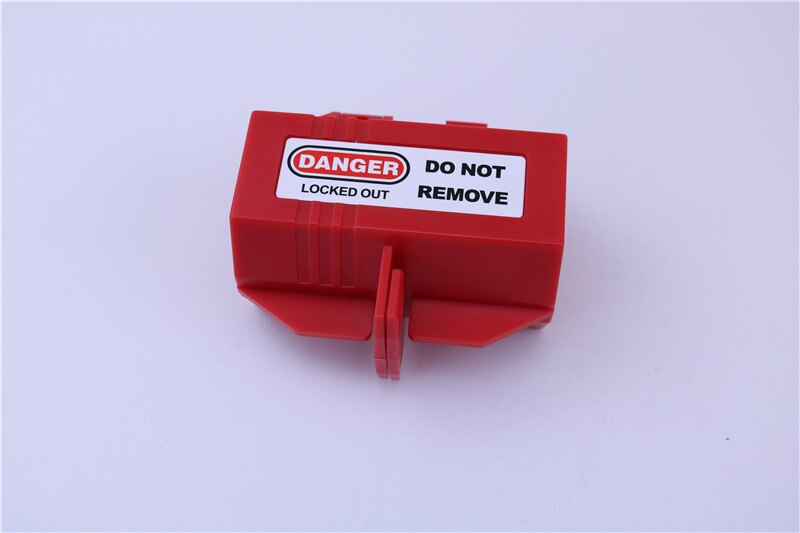
Unlike lockout devices (such as padlocks or valve locks), tags and signs do not physically prevent operation. That’s why they’re typically used in conjunction with physical locks—but they remain indispensable for communication.
For example, a chemical processing plant might use a bright red "DO NOT OPERATE – MAINTENANCE IN PROGRESS" sign on a reactor vessel. Without that sign, an operator in a separate control room might assume the equipment is ready and resume automated cycles, risking exposure to residual pressure or chemicals.
OSHA requires that lockout tagout devices be: - Durable (resistant to environmental conditions) - Legible (clearly readable under normal lighting) - Standardized (consistent in format and color) - Specific (identifying the authorized employee and reason for lockout)
Key Differences: Tags vs. Signs vs. Locks
It’s common to conflate lockout tags, tags with signs, and the signs themselves. Understanding the difference is critical.
| Type | Purpose | Physical Restraint? | Required by OSHA? |
|---|---|---|---|
| Lockout Device (e.g., padlock) | Physically prevents operation | Yes | Yes |
| Tagout Tag (attached to lock) | Identifies who locked it and why | No | Yes (if used alone) |
| Lockout Tagout Sign (stationary) | General warning of maintenance | No | Recommended / Often Required |
While tags are affixed directly to energy-isolating devices, signs are usually mounted nearby—on control panels, machine housings, or entry points. A well-designed program uses both. For example, a technician applies a lock to a circuit breaker, attaches a tag with their name and time, and verifies that a permanent sign reminds others of the ongoing LOTO procedure.
One common mistake? Using signs as a substitute for locks. No amount of signage can replace a physical lock. Signs support—never replace—the mechanical safeguards that prevent energy release.
Where to Place Lockout Tagout Signs for Maximum Impact
Location determines effectiveness. A sign hidden behind a pipe or buried under grease won’t stop an accident. Best practice is to place signs:

- Adjacent to energy-isolating devices (breakers, valves, disconnects)
- On machine control panels
- At entry points to restricted zones
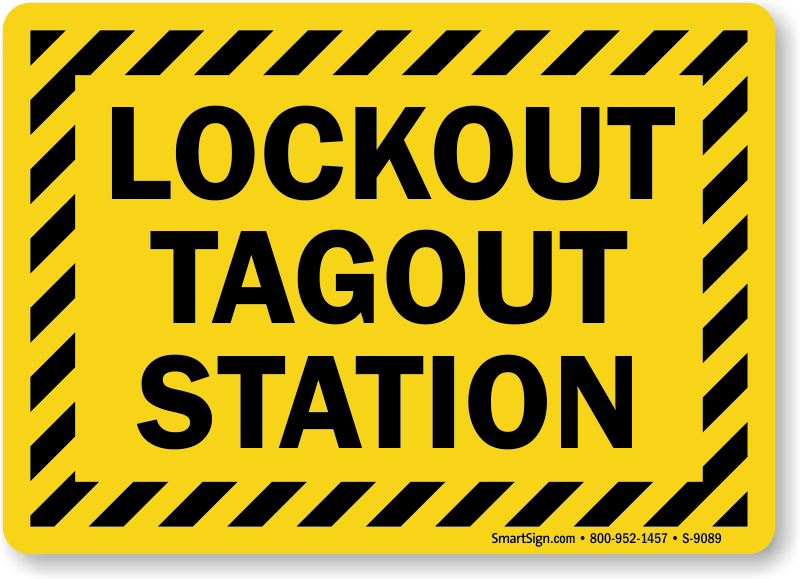
- Near lockout stations or group lockout boards
In large facilities, consider layered signage. For instance, a paper mill might use: - A permanent sign near the main pulper control panel: “LOCKOUT REQUIRED BEFORE ENTRY” - Temporary tags on individual motors during servicing - Floor markings and barrier tape combined with signs to define the hazard zone
Lighting, visibility, and language matter. If your workforce includes non-English speakers, use multilingual signs or pictograms. OSHA accepts symbols as long as they’re universally understood—like a hand over a switch with a red slash.
Avoid clutter. Too many signs create “sign fatigue,” where workers ignore all warnings. Prioritize clarity over volume.
Design Standards for Effective Lockout Tagout Signs
Not all signs are created equal. The best ones follow ANSI Z535 and OSHA design standards for safety signage. These include:
- Color coding: Red for danger, yellow for caution, orange for warning
- Signal words: “DANGER,” “WARNING,” or “CAUTION” at the top
- Message clarity: Short, direct language (e.g., “DO NOT START – MEN WORKING ON CONVEYOR”)
- Durability: Weather-resistant, UV-protected, tamper-proof materials
A poorly designed sign might say: “Maintenance ongoing. Please be aware.” A compliant, effective one says: DANGER – DO NOT OPERATE. LOCKOUT IN PROGRESS. AUTHORIZED PERSONNEL ONLY.
Material choice depends on environment. A food processing plant needs stainless steel or plastic signs resistant to washdowns. Outdoor substations require aluminum or polycarbonate to withstand sun and moisture.
One plant avoided a near-miss when a high-visibility fluorescent tag with a retro-reflective border caught a supervisor’s attention during a night shift. The tag indicated a locked-out compressor—had it been a standard paper tag, it might have gone unnoticed.
Common Mistakes That Undermine LOTO Sign Effectiveness
Even experienced teams make errors. These are the most frequent—and dangerous—missteps:
- Using generic signs – A sign that says “Under Maintenance” without details fails to identify who is working or when it began.
- Ignoring environmental wear – Faded, torn, or corroded signs lose authority. One refinery discovered that 30% of their LOTO signs were illegible due to chemical exposure.
- Placing signs too far from equipment – If the warning isn’t visible at the point of operation, it’s useless.
- Allowing unauthorized removal – Only the authorized employee should remove a tag or sign. Supervisors must not override this.
- Relying on memory instead of signage – “Everyone knows the press is down” is a recipe for disaster.
A Midwest automotive plant reduced LOTO incidents by 70% after auditing sign placement and enforcing a “tag every time” policy—even for five-minute tasks.
Real-World Use Cases: How Industries Apply LOTO Signs
Different environments demand tailored approaches.
Manufacturing: Assembly lines use standardized magnetic signs that attach to control cabinets. Each sign includes space for employee ID, start time, and department.
Healthcare: Hospital biomedical teams lock out MRI machines using color-coded tags and signs to indicate high magnetic fields—even when powered down.
Construction: Mobile generators and compressors use weatherproof tags with wire ties, plus portable signs on job site trailers.
Utilities: Substations combine padlocks with large “DANGER – HIGH VOLTAGE” signs visible from 20 feet away. Workers also use electronic LOTO boards that display active lockouts digitally—backed by physical signs.
In all cases, the human element remains key. A sign is only as good as the culture that respects it.
Top 5 Lockout Tagout Sign Solutions for 2024
Choosing the right signage system depends on durability, customization, and compliance support. Here are five trusted options:
- Brady LOTO Sign & Tag Kits
- - Pre-printed, OSHA-compliant signs and tags
- - Durable thermal-transfer labels
- - Best for: Mid-sized facilities needing plug-and-play solutions
- Grainger Safety Sign Collection
- - Wide range of materials (aluminum, rigid plastic)
- - Multilingual options
- - Best for: Multinational teams or diverse workforces
- Seton Custom LOTO Signs
- - Fully customizable text, logos, and barcodes
- - Weather-resistant and tamper-proof
- - Best for: Companies with strict branding or site-specific procedures
- Justrite Lockout Stations with Integrated Signs
- - Combines lockout hardware and signage in wall-mounted units
- - Includes visual dashboards for group lockouts
- - Best for: Plants with frequent team-based maintenance
- National Safety Compliance (NSC) Digital LOTO System
- - Cloud-based lockout tracking with printable, scannable signs
- - Syncs with mobile devices and access logs
- - Best for: Large operations needing audit trails and remote monitoring
Each solution supports compliance—but only if integrated into daily workflow. A digital system fails if technicians skip scanning. A custom sign fails if no one checks it.
Building a Culture That Respects Lockout Tagout Signs
Signs don’t work in a vacuum. They’re part of a safety culture where every employee—from the CEO to the night-shift tech—understands their role.
Start with training. OSHA requires initial and annual retraining, but the best programs go further: - Use real incident videos during safety meetings - Conduct mock lockout drills - Empower workers to report missing or damaged signs without fear of reprisal
Leadership must model behavior. When a manager bypasses a tag “just this once,” it signals that rules are optional.
One mining operation reduced LOTO violations by 90% after implementing a peer accountability program. Workers carry “safety coins” and award them when they see proper sign usage—turning compliance into recognition.
Final Steps to Strengthen Your LOTO Sign Program
Effective lockout tagout signs are not bought and forgotten. They must be audited, maintained, and respected. Take these actions now:
- Audit all equipment for visible, compliant signage
- Replace faded or damaged signs immediately
- Standardize message format across facilities
- Train employees to verify signs before starting work
- Integrate signs into your written energy control program
A sign is more than a piece of plastic or metal. It’s a promise—a commitment that no one will be hurt because a machine started when it shouldn’t.
In the end, lockout tagout signs are silent guardians. They don’t shout. They don’t move. But when placed correctly, they speak clearly: This machine is not safe. Step back. Wait. Verify. That message saves lives.
FAQ
What is the purpose of a lockout tagout sign? It warns that equipment is de-energized for maintenance and must not be operated, supporting compliance and worker safety.
Are lockout tagout signs required by OSHA? While OSHA mandates tagout devices during energy control procedures, permanent signs are often required to support communication and hazard awareness.
Can a sign replace a lock in LOTO procedures? No. Signs are informational only. A physical lock is required to prevent unauthorized operation.
What color should lockout tagout signs be? Danger signs should be red with white text. Warning signs use orange; caution signs use yellow. Follow ANSI Z535 standards.
How often should LOTO signs be replaced? Inspect regularly and replace when faded, damaged, or illegible—typically every 1–3 years depending on environment.
Should LOTO signs include employee names? Tags (attached to locks) should include the worker’s name. Signs may list roles or departments but don’t always require personal details.
Can digital signs be used for lockout tagout? Yes, if they’re tamper-proof, visible, and part of a documented system. However, they must be backed by physical controls and procedures.
FAQ
What should you look for in Lockout Tagout Signs: Why They Matter and How to Use Them? Focus on relevance, practical value, and how well the solution matches real user intent.
Is Lockout Tagout Signs: Why They Matter and How to Use Them suitable for beginners? That depends on the workflow, but a clear step-by-step approach usually makes it easier to start.
How do you compare options around Lockout Tagout Signs: Why They Matter and How to Use Them? Compare features, trust signals, limitations, pricing, and ease of implementation.
What mistakes should you avoid? Avoid generic choices, weak validation, and decisions based only on marketing claims.
What is the next best step? Shortlist the most relevant options, validate them quickly, and refine from real-world results.